
How to Tell if Furniture Is Well Made Before You Buy It
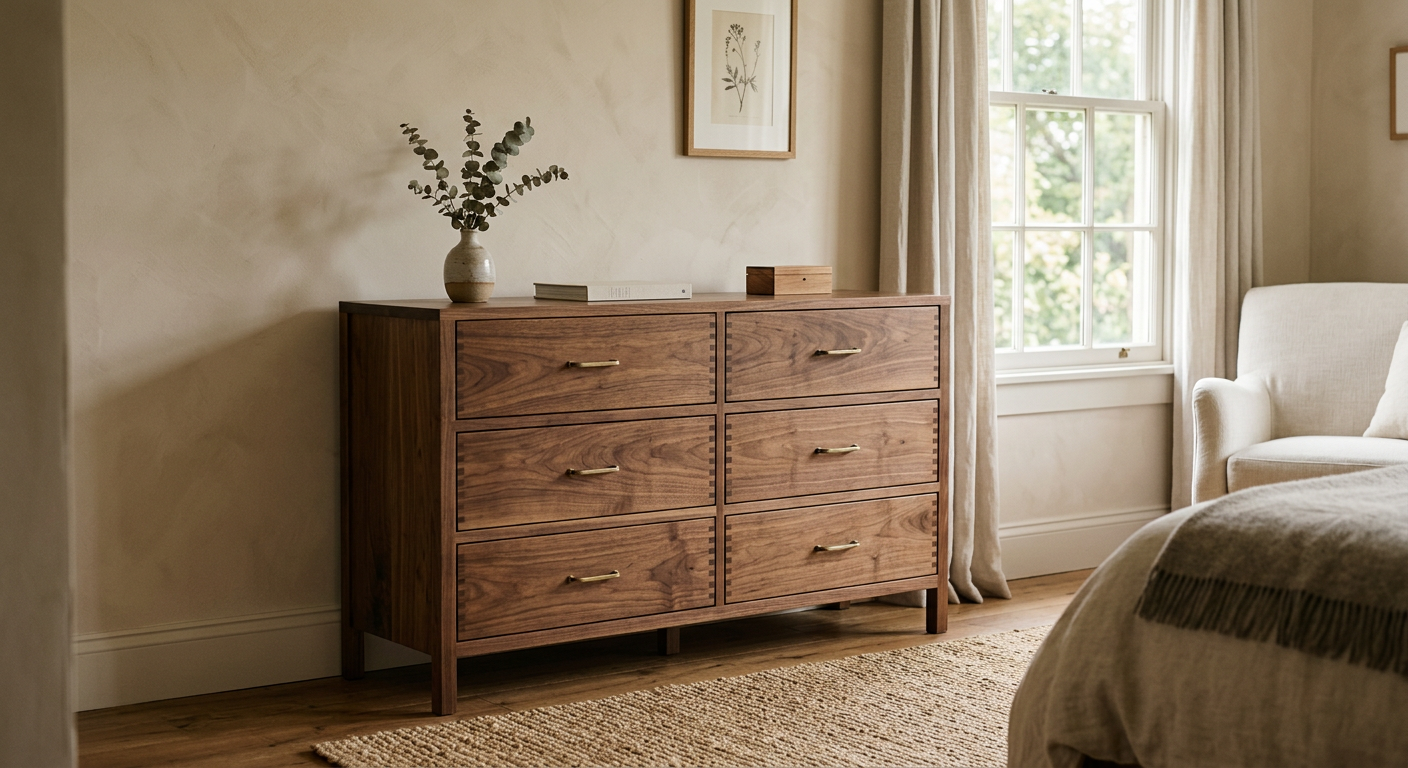
Custom walnut dresser
When people say, “They don’t make furniture like they used to,” they’re usually right, but not always for the reasons they think.
It’s not that good furniture disappeared. It’s that a lot of what’s sold now is built to photograph well, ship cheaply, and survive just long enough to avoid a return. That’s a different goal than building something sturdy, repairable, and worth keeping for twenty years.
If you don’t build furniture for a living, it can be hard to tell what you’re looking at. A piece might have nice color, decent hardware, and a big price tag, but still be built like a cardboard box with better marketing. On the other hand, a plain-looking piece can sometimes be surprisingly solid.
So here’s the practical version. If you’re standing in a store, scrolling listings online, or considering a used piece from Marketplace, this is what I’d pay attention to before handing over money.
Start With the Weight, but Don’t Stop There
People love to say, “Heavy means quality.” Sometimes it does. Sometimes it just means they used a lot of thick junk.
Weight matters because light, flimsy furniture usually feels exactly how it’s built. A dresser that scoots across the floor when you open a drawer is telling you something. A table that flexes when you lean on it is too. But weight by itself doesn’t prove much. Particleboard is heavy. Bad design can be heavy. Overbuilt nonsense is heavy.
What you want is solid weight with stiffness. Pick up a chair. Grab the corner of a table and give it a controlled shake. Open a drawer all the way. You’re looking for resistance to twisting, racking, and wobble.
Good furniture feels calm. Cheap furniture feels nervous.
Look at the Back, the Bottom, and the Inside
The hidden parts usually tell the truth.
Retail furniture is often designed to impress from the front and save money everywhere else. So if you really want to know what you’re buying, stop staring at the finish and start checking the places most people ignore.
Look at the back panel on a dresser or cabinet. Is it a thin stapled sheet that feels like cereal box material? That’s a weak point. A real back panel helps keep the case square. Thin, floppy backs are one reason cheap casework gets loose over time.
Check underneath chairs and tables. Are joints reinforced properly? Are there solid corner blocks where they belong? Or is everything held together with light hardware and hope?
Open the drawers and doors. Look inside the case. Is the interior finished cleanly? Are shelves supported well? Do things feel deliberate, or does it look like the inside was built on Friday at 4:45?
Good builders care about the parts you don’t see because those parts are usually doing the real work.
Know the Difference Between Solid Wood, Veneer, MDF, and Particleboard
This is where people get tripped up.
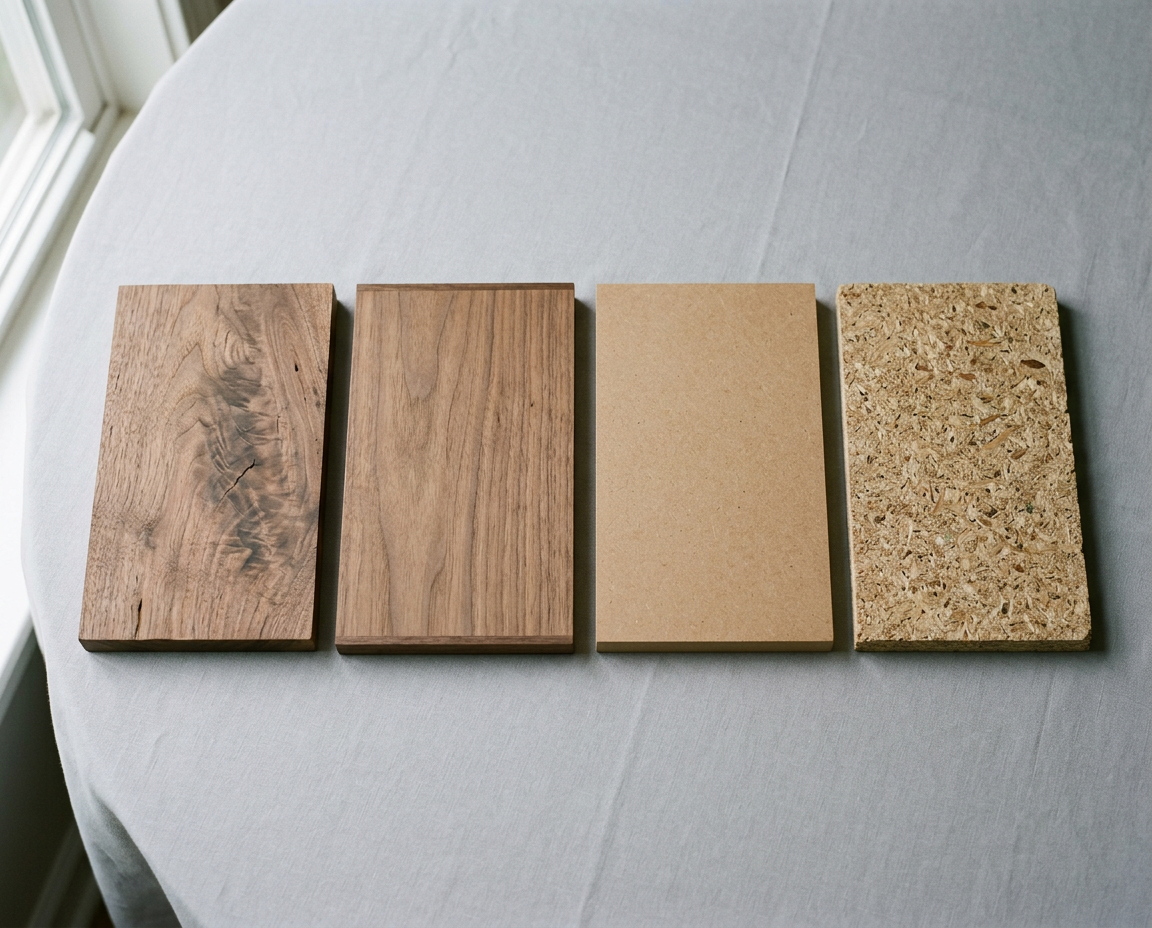
Solid wood is exactly what it sounds like. It can be great, especially in frames, legs, face pieces, drawer fronts, and table bases. But solid wood is not automatically better everywhere. Wide solid panels move with humidity, which is why good builders account for that movement instead of pretending it doesn’t exist.
Veneer gets a bad reputation because people confuse it with fake wood. Veneer is real wood, just sliced thin and applied over a stable core. High-quality furniture has used veneer for a long time. Done well, it’s not a compromise. It’s smart construction.
MDF is dense, smooth, and stable. It’s useful in painted furniture and certain cabinet parts. I wouldn’t panic if I saw MDF in the right application, especially where flatness matters and moisture isn’t a constant threat.
Particleboard is where things usually go downhill. It has its place in low-cost furniture, but it doesn’t hold fasteners especially well, hates moisture, and tends to get tired in a hurry. Once screw holes wallow out or edges swell, the clock starts running fast.
The goal isn’t to demand solid wood everywhere. The goal is to see whether the material matches the job.
Pay Attention to Joinery
This matters more than a brand label.
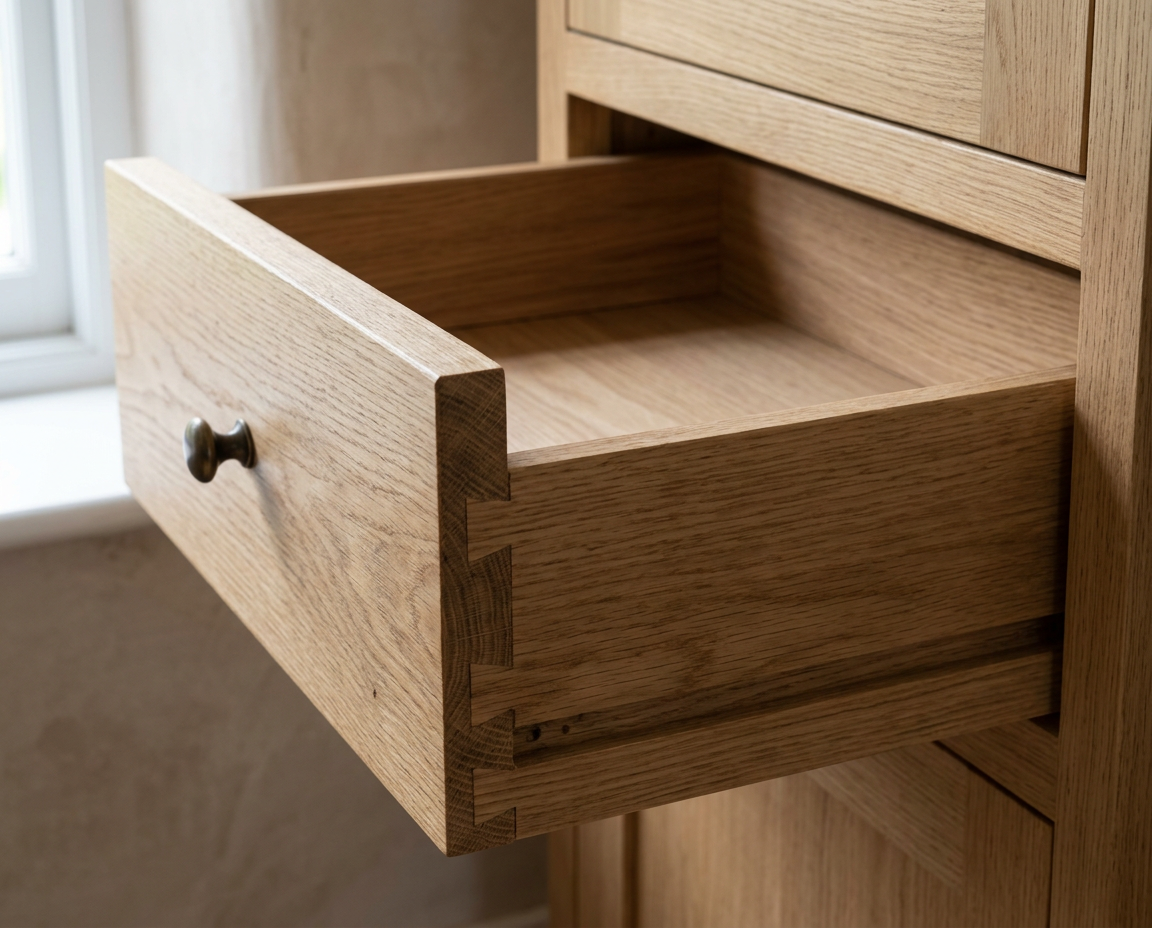
If you’re looking at drawers, dovetails are a good sign, especially if they’re clean and properly fitted. They’re not magic, but they usually show that somebody cared at least a little. If the drawer box is stapled together with thin material and a hardboard bottom, that’s telling you the opposite.
For chairs and table bases, look for well-made mortise-and-tenon joinery, or at least joints that appear thoughtfully reinforced. Wobbly dining chairs are one of the clearest signs of bad construction. Furniture that has to resist side-to-side movement needs actual joinery, not just screws driven into end grain and hidden under a plug.
For casework, you want solid assembly, square boxes, proper support under shelves, and drawers that track straight. Fancy terms don’t matter if the piece still moves like a shopping cart.
Drawers Should Feel Boring
That’s a compliment.
A good drawer opens smoothly, closes cleanly, and doesn’t tip, bind, or scrape. It shouldn’t feel theatrical. It should just work. Soft-close hardware is nice, but it can also distract people from weak construction. I’d rather have a plain, well-made drawer than a flashy one in a cheap box.
Look at the drawer bottom too. Thin bottoms set into a shallow groove can sag under real use. Better drawers feel like they were meant to hold things, not just stage a showroom.
And don’t ignore alignment. Uneven gaps around drawers and doors usually mean one of two things: sloppy manufacturing or a case that’s already out of square. Neither is what you want.
Don’t Be Fooled by Finish Alone
A nice finish can make bad furniture look respectable for about ten minutes.
Color, sheen, and styling pull people in fast. That’s normal. But the finish is only one part of the piece. You can spray a beautiful finish over junk. In fact, plenty of furniture is designed to win the sale from six feet away.
Look for consistency, but also restraint. Thick plasticky finishes, fake distressing, exaggerated grain printing, and heavy stain meant to imitate something more expensive are all common tricks. Sometimes they’re obvious. Sometimes they’re subtle.
A good finish should support the material, not apologize for it.
Online Listings Require a Different Kind of Skepticism
If you’re buying online, the photos are almost never enough.
Read the material description closely. If the listing keeps saying “wood” without saying what kind, there’s a reason. “Engineered wood” can mean several things, some fine, some not. Look for specifics. Solid hardwood frame? Veneered plywood panels? MDF drawer fronts? That’s useful. Vague language usually isn’t.
Zoom in on drawer interiors, back panels, undersides, and connection points. If the seller avoids those photos completely, assume they’re not hiding the good part.
And watch dimensions. A lot of online furniture looks more substantial in photos than it does in real life. Thin tops, skinny legs, shallow drawers, and undersized case pieces are common disappointments.
Used Furniture Can Be a Better Buy Than New
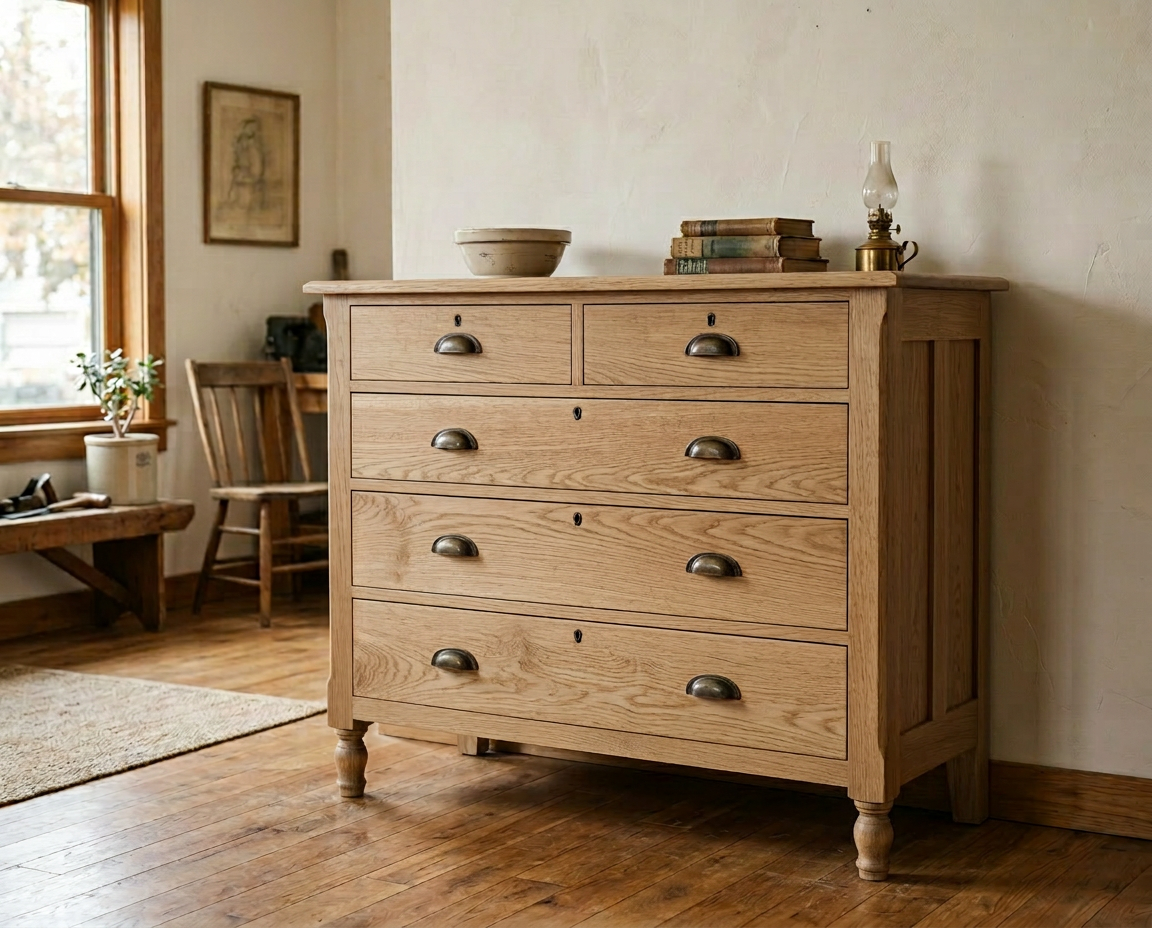
This is especially true if you know what to look for.
Older furniture, even when it needs work, often has better bones than a lot of new mid-priced furniture. A scratched-up solid dresser with decent joinery is usually worth more than a flawless flat-pack unit with a fake walnut print and a short life expectancy.
That doesn’t mean old automatically equals good. Some old furniture was junk the day it was made. But if you find a used piece that’s sturdy, repairable, and honestly built, you can come out way ahead.
I’d take worn and well-built over new and disposable most days of the week.
The Bottom Line
Good furniture doesn’t need to be fancy, and it doesn’t need to be expensive enough to make you sick.
What it does need is decent materials, proper joinery, stiffness, and a design that makes sense. The hidden parts matter. The inside matters. The way it moves when you touch it matters.
Most people get burned because they buy with their eyes first and ask questions later. That’s understandable. Furniture is sold visually. But durability is usually hiding somewhere else.
So flip it over. Open the drawers. Look at the back. Read the materials. Shake it a little. Be a little suspicious.
That’s usually enough to separate the real thing from the dressed-up junk.
