
Which Carpenter Path Fits You Best? Remodel, Custom, or Handyman
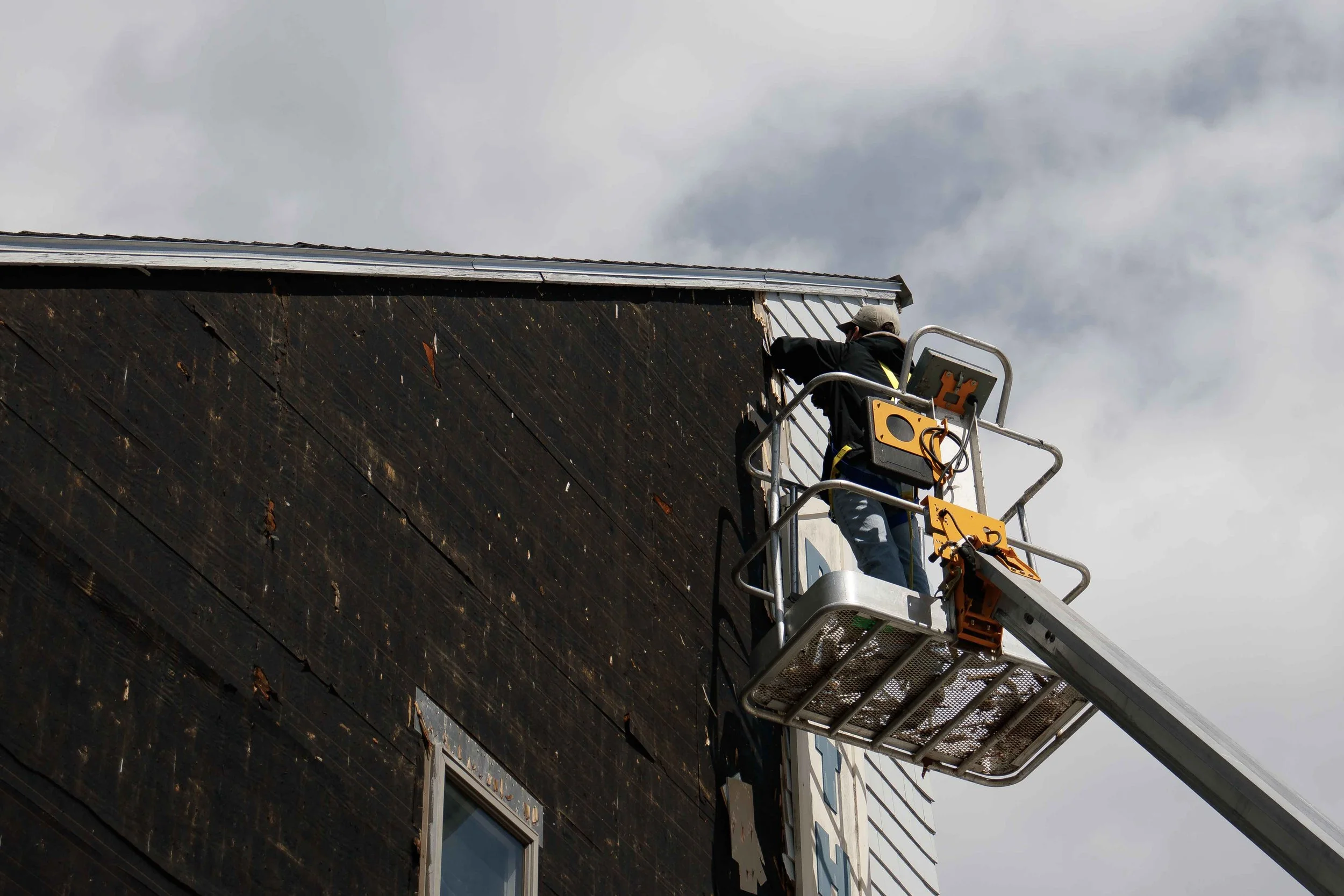
A carpenter(my brother) removing cedar shingle siding
Start Here: How to know if carpentry is right for you.
If you’re just getting started in the trades, one big question comes up pretty quick: what kind of carpenter should I become?
I’m gonna keep this simple and straight. The three paths I’m talking about are:
Residential remodel
New construction (custom homes)
Handyman work
All three can make you a good living. But they are not the same job, not the same pace, and not the same personality fit.
Start with this question first
Before pay, before title, before anything else, ask:
Do I like variety, or do I like a steady routine?
Am I good with people in close quarters?
Do I want to be great at a few things, or pretty dangerous at a lot of things?
Do I handle chaos well, or do I work better with structure?
Your first path matters. You can switch later, but where you start shapes your skill set.
1) Residential Remodeling
If you ask me, residential remodel is one of the best ways to build real skills fast.
It’s often easier to get into, but it can also be the most demanding. You’re in someone’s home, their life is happening around you, and expectations are high.
Post-COVID, people are usually home. They’re working, kids are around, dogs are barking, and you still have to get clean work done.
You need customer skills, trade skills, and patience.
What makes a good remodel carpenter
You should be solid in at least three sub-trades, like:
Framing
Finish/woodwork
Drywall finishing
If you can do those well, you stay valuable. You also stay interested, because you’re not doing one thing all day every day.
One day might be demo. Next day might be built-ins. Next day is mud and texture. That’s remodel life.
Pros
Usually better pay than new construction carpenter roles
Huge learning environment
Lots of variety in homes and design styles
Helps you figure out what to specialize in later
Cons
Homeowners are often on site
You’ll switch gears a lot depending on other trades
Tool costs can stack up if the company doesn’t provide much
Bottom line: If you’re new and want to level up fast, remodel is a strong place to start.
2) New Construction (Custom Homes)
I’m not talking tract houses. I mean true custom homes.
Best setup is a company that keeps a lot of work in-house (framing, siding, trim, finishing crews) instead of subbing everything out.
This path is steadier. You can be on one project a long time, and your hours are usually more predictable.
In remodel, you might frame for a few days. In custom new construction, you might frame for months. Same for siding. Same for trim. You get repetition, and repetition builds mastery.
Also, in true custom work, quality matters. If something’s off, it gets redone. Sometimes owners change plans after framing is done. It happens.
Pros
Steadier work flow and schedule
Tight team environment
Great place to sharpen one skill deeply
Good portfolio work for your future
Cons
Weather exposure (hot/cold/wind)
Pay can be a little lower than remodel
Good in-house custom builders are harder to find
May require commuting farther
Bottom line: If you like a steady crew and long-game skill building, this is a great lane.
3) Handyman
A lot of folks look down on handyman work. That’s usually because they’ve never seen a good handyman in action.
A good handyman can be the most profitable of these three paths but only if you’re organized, skilled, and efficient.
This isn’t guesswork work. Callbacks kill profit. You have to do it right the first time.
Skills you need to be strong at
At minimum, you should be very good at:
Drywall repair
Painting
Hardware (hinges, knobs, pulls, adjustments)
Basic plumbing or basic electrical
Spot repairs without tearing a house apart
That fifth one is big. If something is rotted or damaged, can you repair it cleanly and keep moving? That’s where money is.
Pros
Strong income potential
Fast pace, lots of variety
Shorter job cycles (in and out)
Word-of-mouth grows fast if your work is solid
Cons
Constant gear-switching
Rarely at one site very long
More upfront tool investment if self-employed
Requires broad skill across multiple trades
Bottom line: Handyman can pay very well, but it demands real competence and tight systems.
Final Take
If you’re new, here’s the simple route I’d recommend:
Start in residential remodel to build broad skill
Move to custom new construction if you want steadier rhythm and deeper reps
Go handyman when your skills are proven and you want the upside
There’s no perfect route for everybody.
The right one is the one that fits your personality, your goals, and how you like to work day to day.
If this helped, I can write the follow-up post next:
“How to Get Paid More as a Carpenter (and When to Go Out on Your Own)”
