
Should You Buy Land or Design a House First?
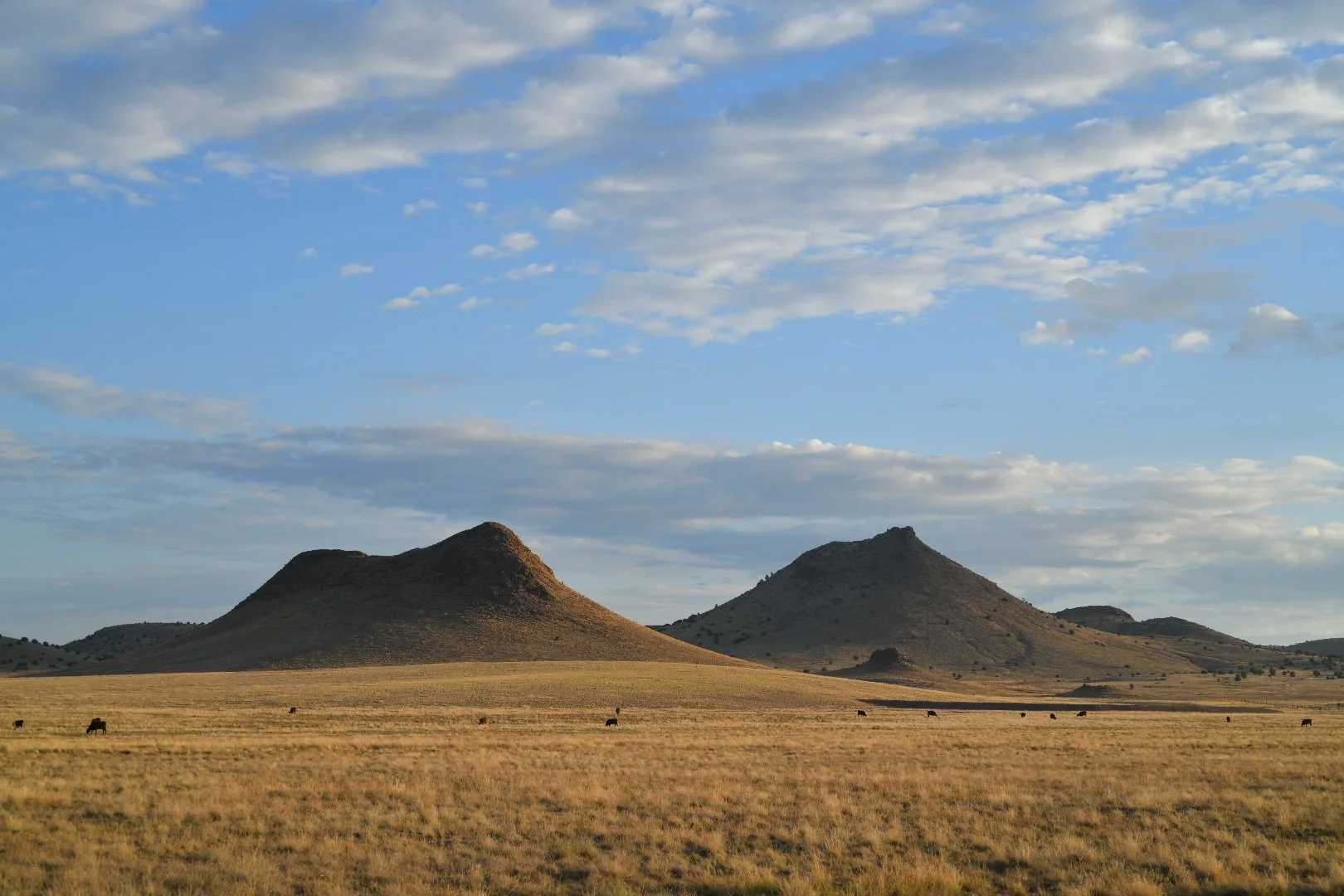
Desert Hills Homesite
Part 1 of 5: Start With the Land
If you’ve saved some money and you’re thinking about building a house, there’s a common question that comes up early:
Do you buy land first, or design the house first?
Based on my experience, I’d strongly recommend buying the land first and really understanding it before you finalize the design of your home.
That doesn’t mean you can’t think about the house at all. You absolutely can. Things like overall size, exterior style, siding, roofing, and finishes can often be considered early, depending on your personal taste, local building regulations, and any neighborhood covenants or HOA rules that may apply.
But when it comes to the actual layout and placement of the house, the land should lead the process.
Why the Land Comes First
A house needs to fit the land, not the other way around.
There are several site-specific factors that directly affect your design:
The direction of the sun (where it rises and sets)
The slope and terrain
Soil conditions
Rock beneath the soil
Drainage patterns
Access to utilities
Local building regulations
These aren’t abstract considerations. They can dramatically affect cost, feasibility, and long-term livability.
A Real Example From My First Home
When I built my first house, I found a lot that seemed perfect.
It was in a great neighborhood, close to utilities, about an acre in size, with good schools and everything else you’d want. On the surface, it checked all the boxes.
But after getting the documents from the realtor and digging deeper, I learned something important: about 150,000 tons of fill dirt had been dumped on the property years earlier to fill in a large gully or drainage way.
That alone isn’t necessarily a deal-breaker. The bigger issue was that no permits had been pulled, and there were no compaction tests or inspections. The fill was placed at a time when dumping that amount of dirt didn’t require oversight.
It had been there for roughly 15 years and appeared stable, so I initially thought I might proceed anyway.
But the county required a geotechnical review and soil testing for new construction, so I called a local geotechnical engineer.
Why Local Expertise Matters
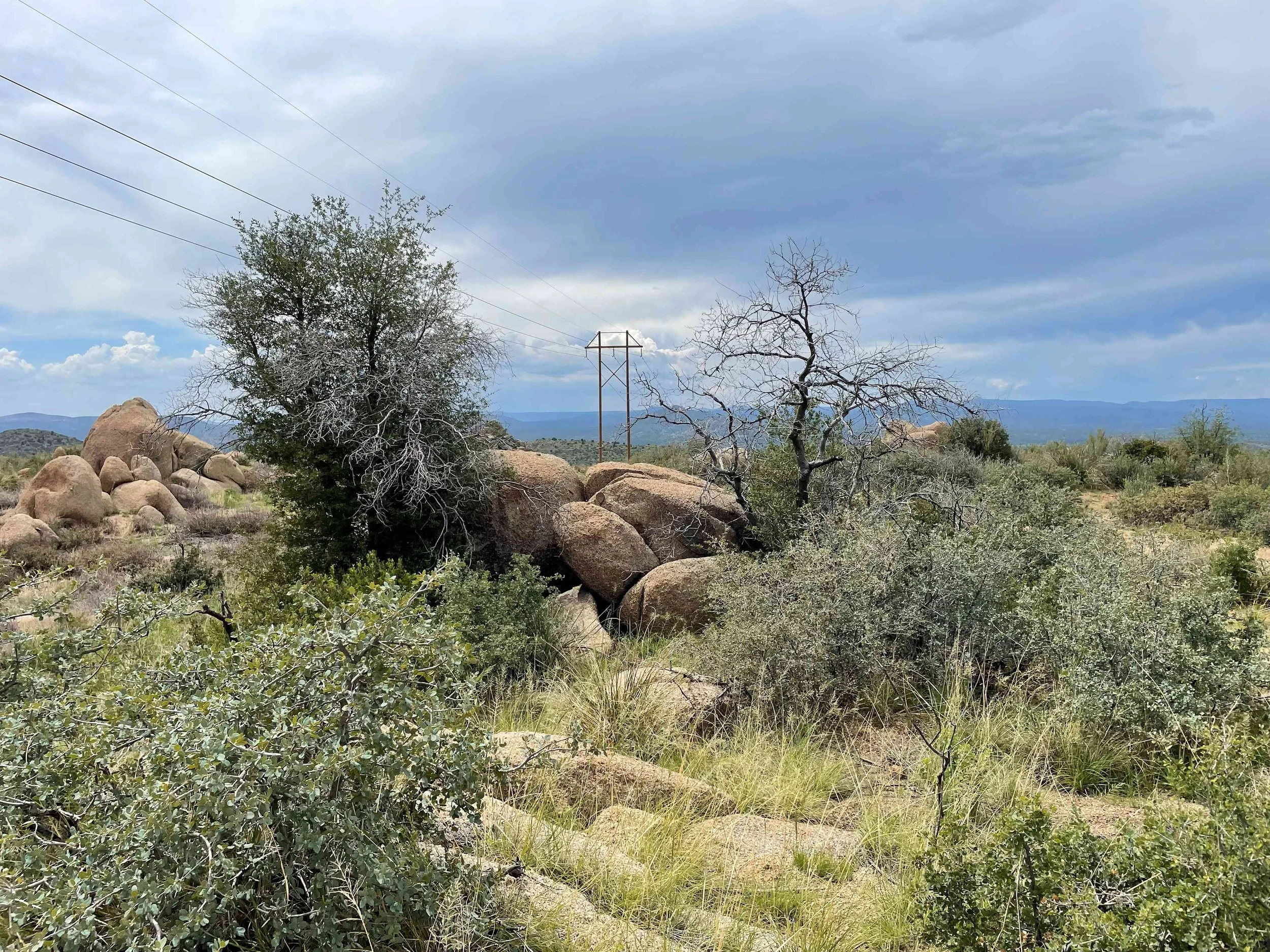
Rocky Homesite in the high Desert
My county requires engineering reports for most new construction because the soils are diverse and challenging — sand mixed with clay, rock, and other variables.
Soil testing isn’t cheap.
But I got lucky. I found an old-school local engineer who was willing to come out and walk the site with me. After spending some time on the property, he advised me to steer clear of that lot.
It was disappointing, especially given the location but it was excellent advice.
Because we were still in the due-diligence phase of the contract, we were able to walk away without losing anything except time.
The Second Lot Told a Different Story
A couple of months later, another property came up.
We had the same engineer look at it with us, and this time the verdict was completely different. He identified at least two viable building sites on the property and confirmed that construction would be feasible.
That difference came down entirely to the land itself not the house design.
Key Takeaways
1. Don’t fall in love with a piece of land before you understand what’s underneath it.
Soil, rock, drainage, and history matter. If possible, get a second opinion from a local engineer or soil expert. You may have to make a few calls, but it’s worth the effort.
2. Do this research as early as possible.
Understanding the land early helps you avoid problems during the contract phase and keeps you from designing a house that won’t work on the site.
3. Spend real time on the property.
Visit the land at different times of day. Walk the entire property. In hilly or mountainous areas, portions of the land may sit in shade for much of the day.
That affects natural light inside the home, heating and cooling, gardens, solar potential, and long-term comfort. Sunlight matters more than most people realize.
What You Can Decide Early
Before buying land, it’s fine to think about:
Exterior style
Siding materials
Roofing
Paint colors
General square-footage range
Once you own the land and understand it, you can select building sites, orient the house to the sun, design a layout that fits the terrain, and avoid costly surprises.
This is Part 1 of a five-part series on what to consider before buying land and building a home.
In Part 2, I’ll walk through how to evaluate a piece of land for building, including what to look for beyond the listing description.
