
How to Evaluate Land for Building a Home (Water, Power, Septic & Access)
In my last post, I talked about early planning decisions when building a home. This article picks up where that left off and focuses on how to evaluate a piece of land before you buy both technically and from a long-term living perspective.

Mountain View
Buying land can feel exciting. But the land you’re standing on today is the land you’ll be living with for a long time possibly a decade or more. A dirt road that feels “no big deal” on a sunny Saturday can feel very different after year five. Being 25 minutes from the grocery store sounds fine at first. Over time, it can quietly wear you down.
Before you buy land to build a house, there are a few fundamentals you need to evaluate first long before plans or permits.
Here’s the checklist I use when evaluating land. Most of this can be done without spending money, and it can save you from buying a dream that turns into a headache.
Water: What’s the real situation here?
If you’re in a city, water is usually straightforward. You call the city water department and ask what it takes to connect.
In rural areas, water is almost always a well situation, and the fastest way to get real answers is to look at what nearby properties are doing.
Ask questions like:
Do neighbors have wells?
Are they using water storage tanks?
How deep are wells in this area?
Are people hauling water or supplementing with storage?
You can also call a local well drilling company and ask about typical well depths and reliability for that exact location.
Where I live, wells are around 700 feet deep, and most neighbors are similar. We also use storage tanks alongside the well to ensure we always have enough water. The takeaway is this: water isn’t just about whether it exists—it’s about how reliable it will be long-term.
Power: How close is it, and where does it run?
Power costs can vary widely depending on how far you are from the nearest transformer or main line.
A practical first step is to call your local utility marking service (often free through the county or state). They can mark where power, fiber, and other utilities run across the property.
Pro tip: Make sure utilities aren’t running through the middle of the land where you’d want to build. You can’t build a house on top of utility easements.
It’s also worth calling the electric company directly. Many utilities cover part of the cost of bringing power to a property up to a certain amount. The closer you are to the source, the less it usually costs.
Septic and soil: The hidden cost people forget
Septic systems are one of the most commonly overlooked costs when buying land.
For many homes, septic systems might range roughly from $7,500 to $20,000, but poor soil conditions can push that much higher if specialized systems are required.
Ways to research this early:
Ask the real estate agent if a septic soil test has already been done
Search county or city records using the parcel number
Look for past permits or soil evaluations tied to the property
In some cases, a soil test from years earlier is already on file and can save you time and money.
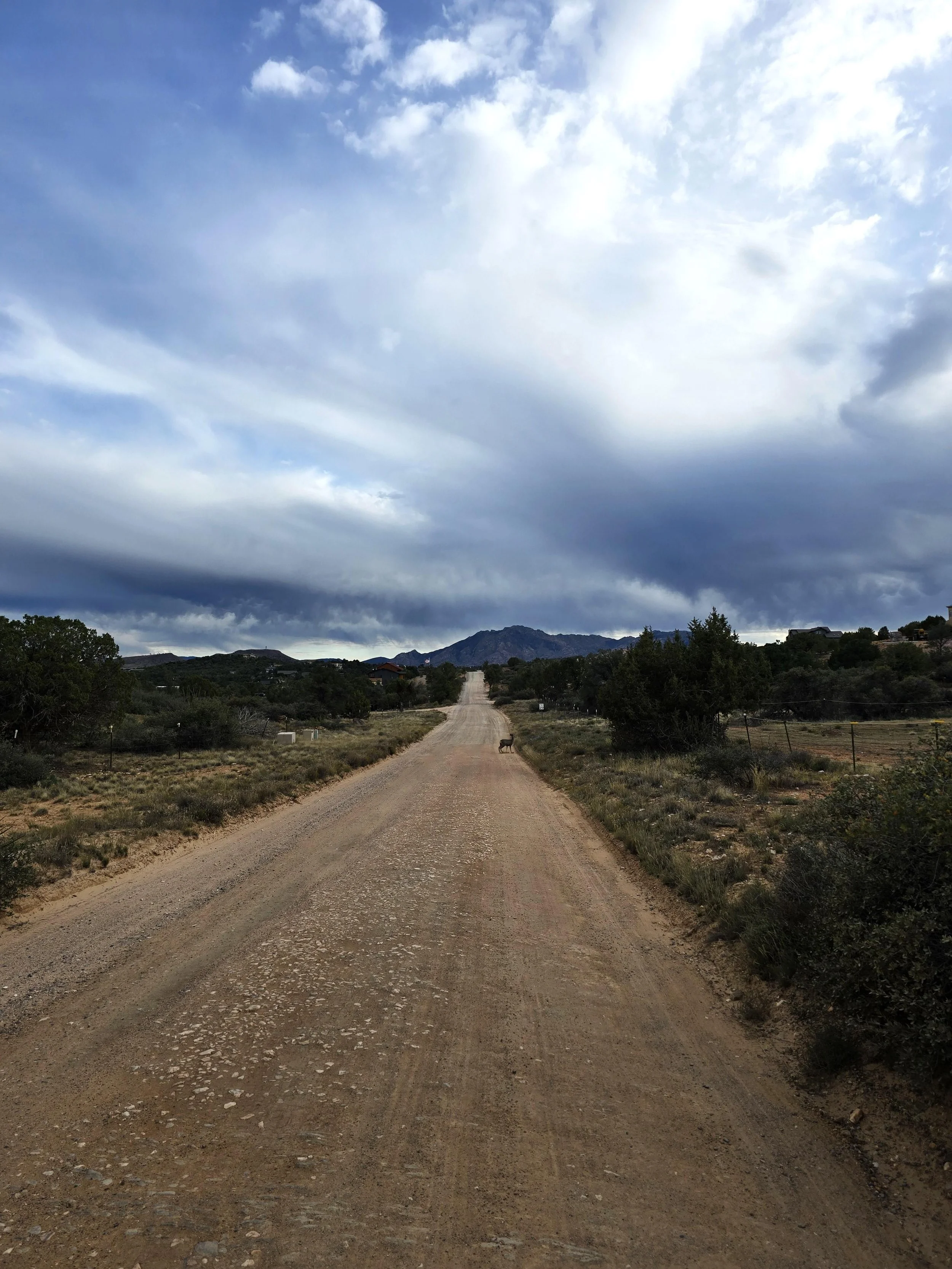
Privately “Maintained” Dirt Road
Access: Can you actually get to your property long-term?
If the property fronts a paved public road, access is usually simple.
In rural areas, access can become complicated fast.
Consider:
Is the road publicly maintained or privately maintained?
Is there a road association?
Are there funds and plans in place for upkeep?
Will storms or neglect make the road difficult to use?
Think long-term. A road that’s “fine right now” may not be fine five or ten years down the line.
Also verify easements and right-of-way access so you’re not dependent on someone else’s goodwill to reach your property.
Zoning: What are you allowed to do here?
Zoning determines whether you can build at all and what kind of life you can have once you do.
Using the parcel number, check zoning through the county or city website. Look for:
Residential use permissions
Home-based business allowances
Restrictions on outbuildings
Livestock or animal limits
Minimum home sizes and setbacks
Especially in rural areas, zoning can affect everything from workshops to animals to future expansion. Make sure it aligns with how you actually plan to live.
The neighbors factor (the one people avoid)
You can have perfect land and still hate living there if the neighbors are a problem.
Don’t just visit the property once in the daytime. Go:
Early in the morning
At night
On weekends
After bad weather if possible
Pay attention to:
Noise
Dogs (how many, and how they’re handled)
Vehicle traffic
General upkeep and behavior
Neighbors can be great, or they can make life miserable. If your gut tells you something is off, take it seriously. You’re investing too much time and money to ignore warning signs.
How deep to go (without spending money)
Most of this evaluation can be done with research and phone calls:
Call utility providers directly
Search county and city records
Look at nearby parcels and their systems
Walk the entire property-corner to corner
And don’t hesitate to ask for help. People in the trades often know what to look for. A builder, architect, or surveyor can sometimes spot issues quickly—and it’s far cheaper than learning after you buy.
Final thoughts
Land buying is part logistics and part lifestyle. Don’t just ask, “Can I build here?” Ask, “Can I live here for the next ten years without it wearing me down?”
Water, power, septic, access, zoning, and neighbors will tell you the truth. The excitement fades. The fundamentals don’t.
