
Introducing: The Luthier
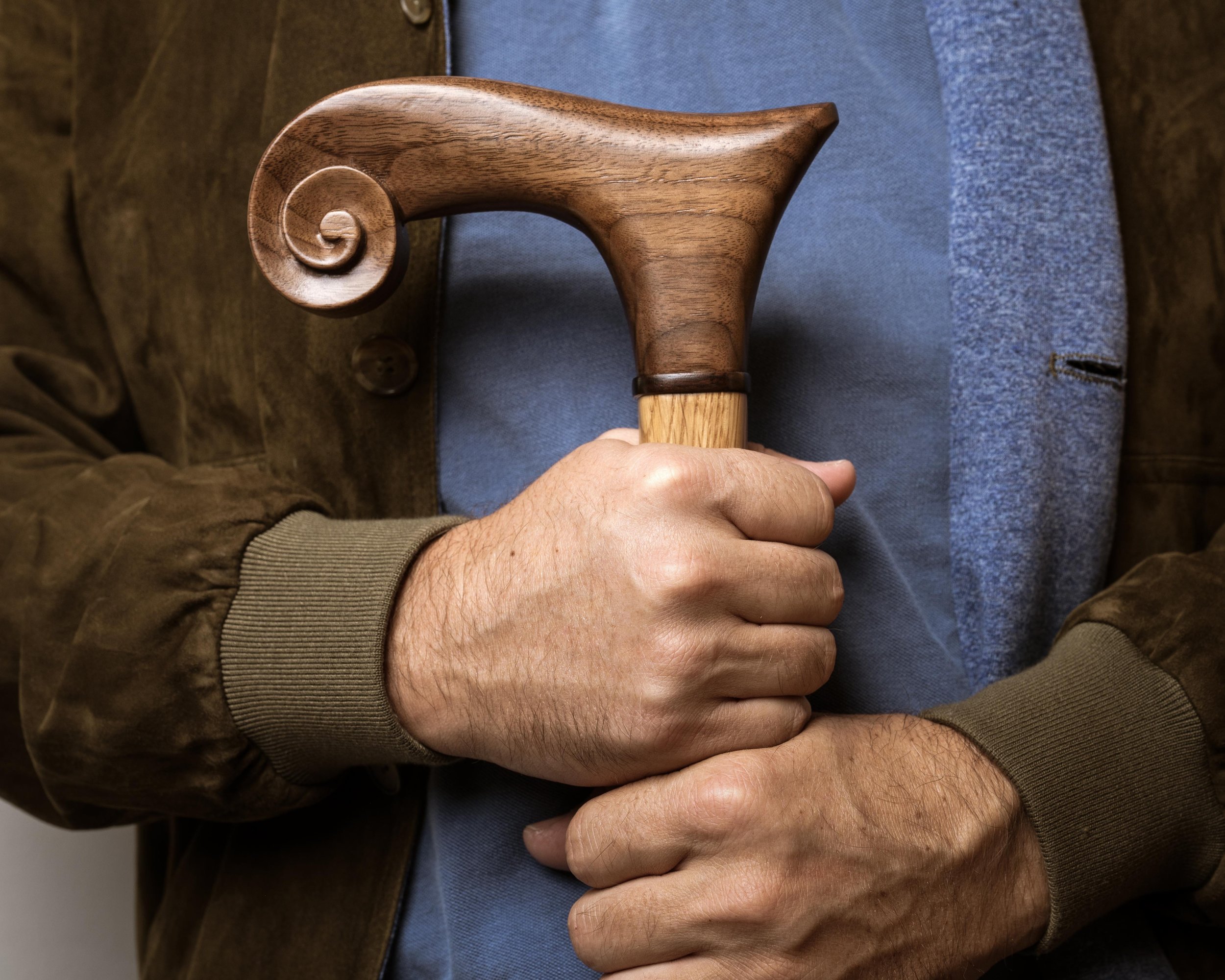
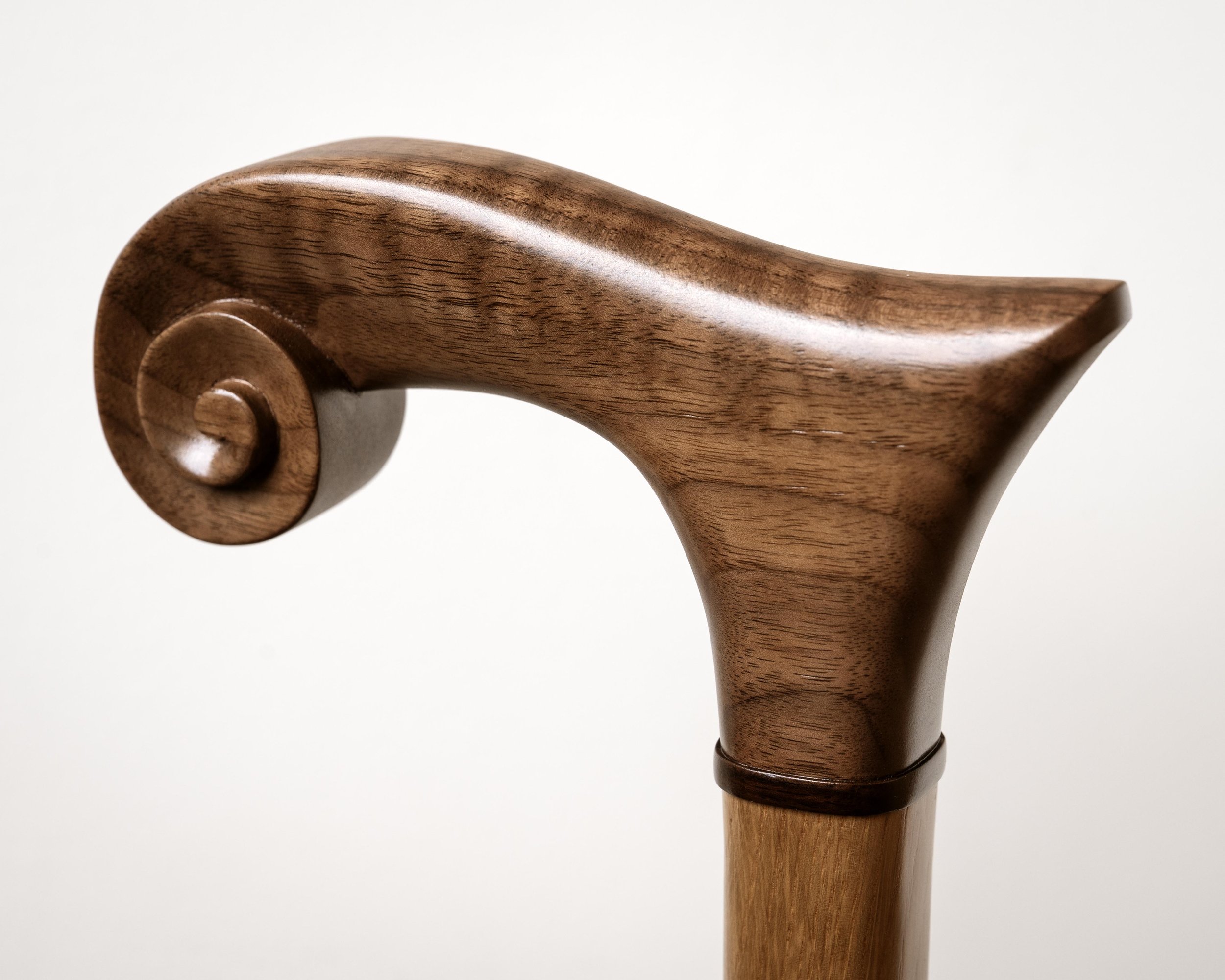
Walnut handle with a white oak shaft
The obvious answer is mobility. Maybe you've had surgery. Maybe you've been injured. Maybe you're just old. Either way, you need a cane and you should have the option of looking distinguished while you use it. A cane doesn't have to look like a medical apparatus.
My reasons for making them are simpler. I get to work with wood, I get to use my imagination, and the result is something useful, useful in perpetuity, which is the only kind of useful I'm interested in.
The hand doesn't lie
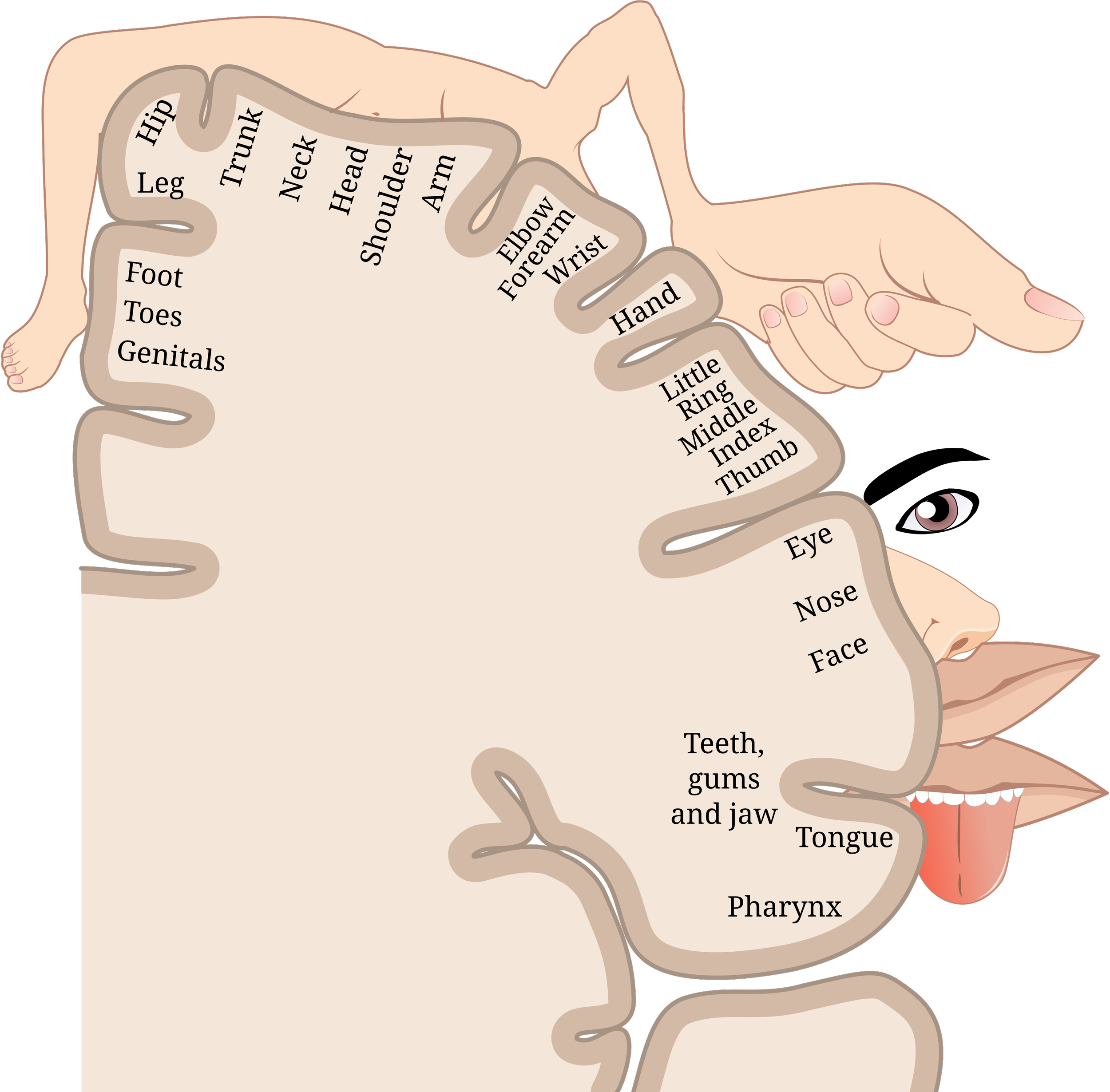
Sensory Homunculus
Here's something I've learned over twenty-some years in woodworking: the first thing anyone does when they see your work is put an index finger on it. Every time. Smooth or rough, that's the telltale, right there, before a word is said.
There's a reason for that. Each fingertip carries roughly 3,000 touch receptors, and the hands take up more of the brain's sensory map than the torso and legs combined. Your hand is the most discerning instrument you own.
Which is what makes a cane handle the hardest thing I build. A tabletop only has to feel good to a passing finger. A handle gets read by the whole hand, all day. It can't be too slick or too rough. It has to hold without asking your grip to work for it. And the top needs to cradle your hand, because on a real walking cane, that's where the weight goes.
This one is designed for the index finger to point down the shaft while the other fingers take the handle. That's how it feels best, and it's how I intended it to be used — I find the index finger down the shaft gives you a bit more control.
There's no CNC setup cranking these out. The process is shape and feel, shape and feel. I remove the wood that's uncomfortable, and what's left is the Luthier.
An old form
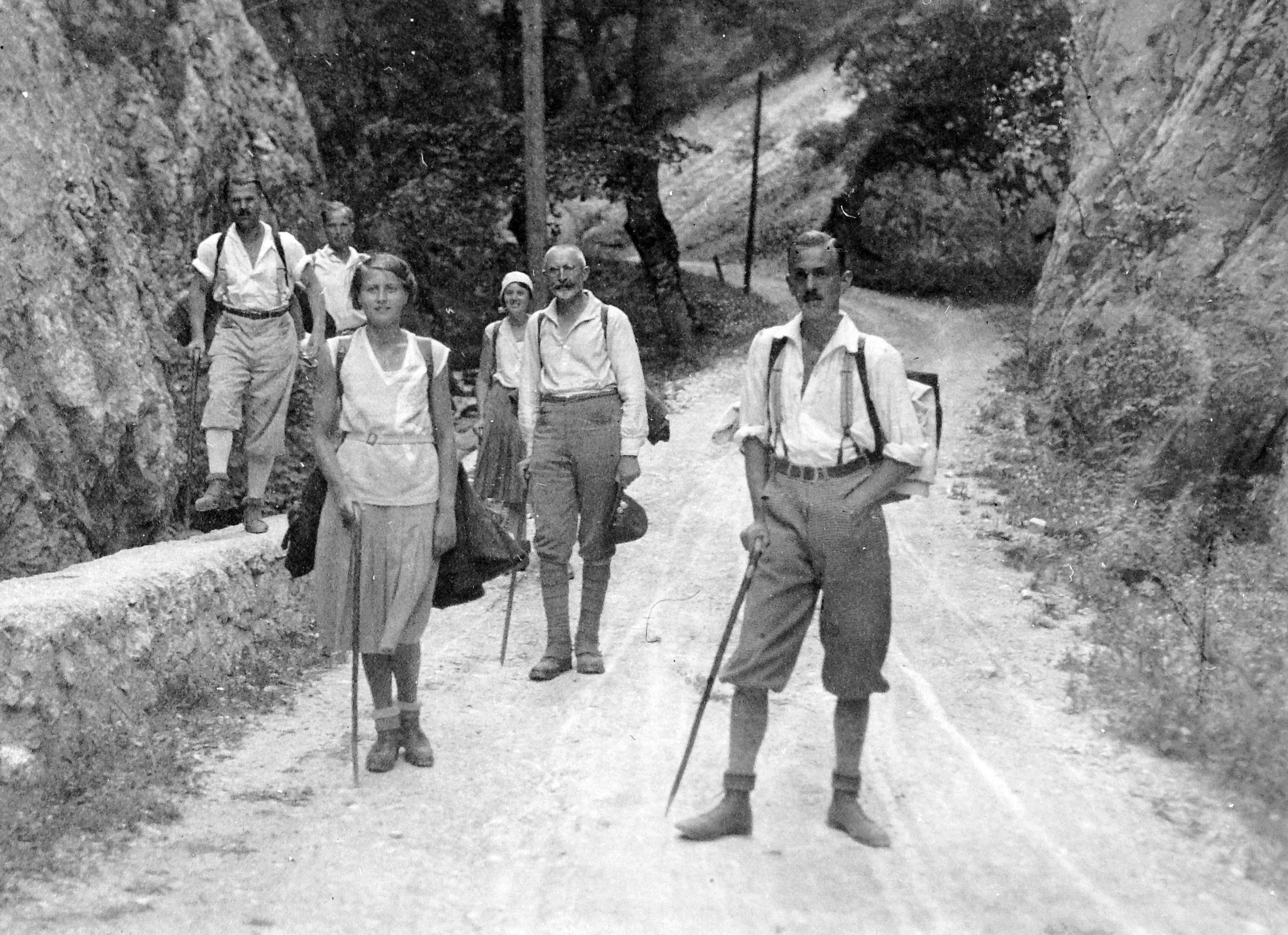
Lets go for a hike. Don’t forget your cane!
Canes are as old as anything humans have made. Tutankhamun was buried with more than a hundred staffs and walking sticks — three thousand years ago, a cane already said something about who you were. By the 1700s no gentleman in London left the house without one, and there were actual rules of conduct for carrying it. For most of history, the cane was part of getting dressed. It's only in the last eighty years or so that it got demoted to the pharmacy aisle.
Where this one came from
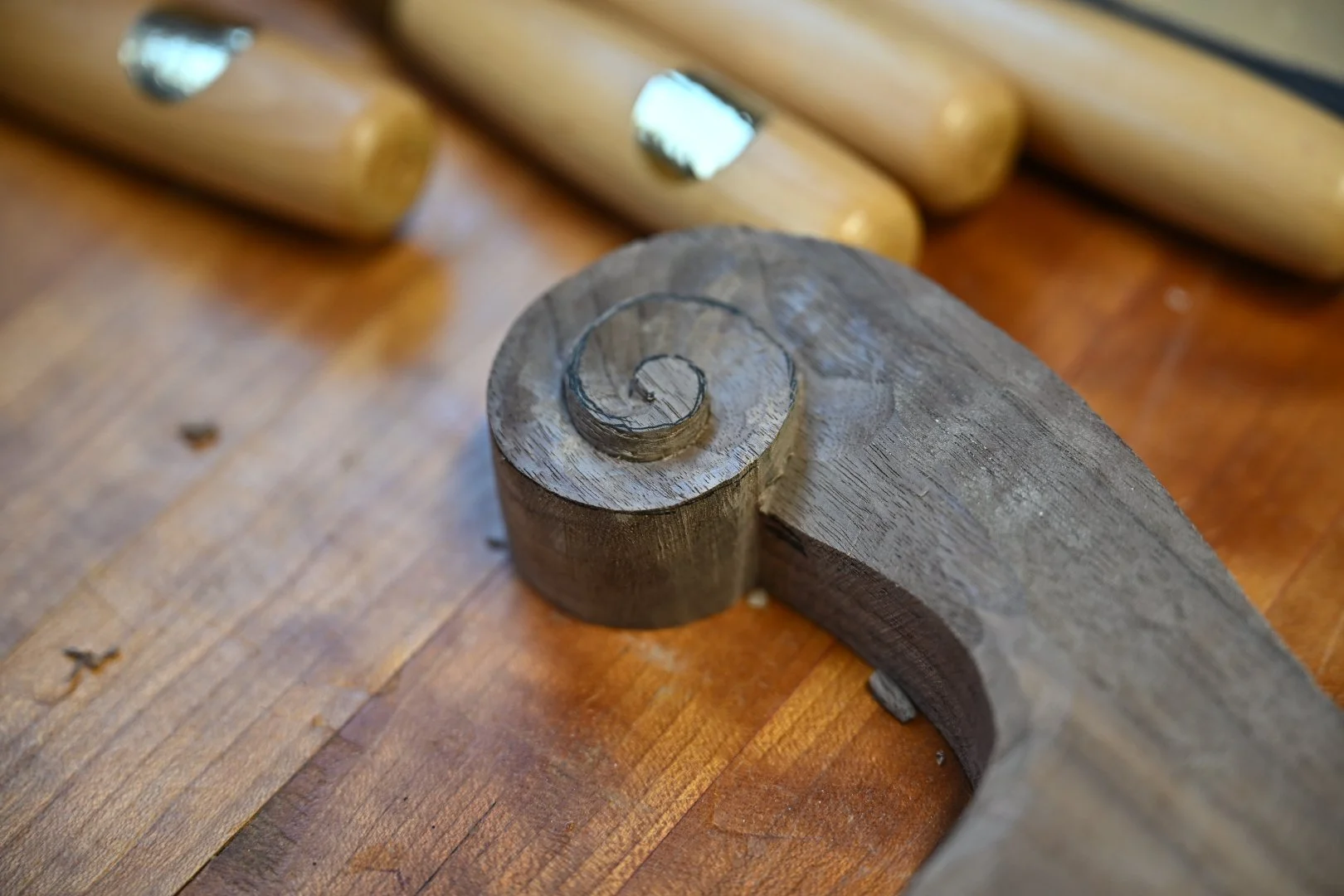
Carved by hand, every time
I designed this cane in 2013. I was working in a custom wood shop at the time alongside a guy who built violins, and I was building acoustic guitars myself. The minute I really looked at a violin scroll, I thought: that's perfect. It fits the end of a cane without interfering with anything, it could only add.
I called it the Eley Cane, and I sold a good number of them in 2013 and '14. Then life got in the way, I moved from Virginia to Seattle to Maine, and the extracurricular woodwork took a back seat. The design sat. My hands didn't.
Now I'm settled, the skills have had thirteen more years to sharpen, and the cane is back. It still gets stamped Eley Cane, because it's still an original design, and Iearned that the hard way.
The Luthier
Walnut handle. Rosewood collar. White oak shaft. The handle joins the shaft over a 3/8" carbon fiber rod, strength where the cane needs it most, without adding weight. Finished in automotive lacquer for durability and UV protection, so the wood stays the color it's supposed to be. Made to order.
There will be three or four versions of this cane released this year. I'm sourcing tiger maple for the next one; cherry or sycamore after that. So get in line.
Or not.
Canes were part of a well-dressed life for a few thousand years. They've only been medical equipment for the last eighty. I'd like to chip away at that.
The Luthier is available in the shop.


A walking cane with a hand-carved violin scroll, thirteen years after I sold the first one. On why handles are the hardest thing I build, what your fingertips know before you do, and how the cane spent a few thousand years as part of getting dressed.